




Latest Article
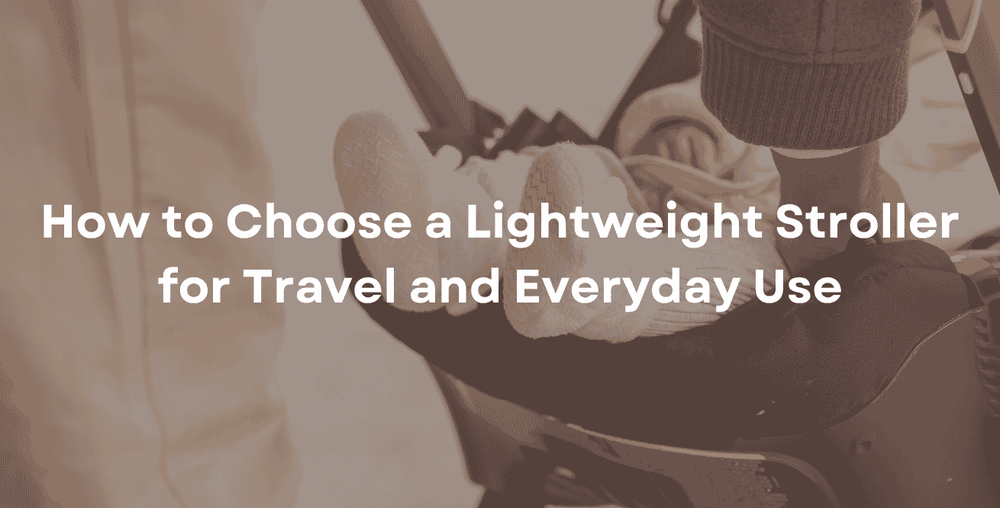
How to Choose a Lightweight Stroller for Travel and Everyday Use
Knowing how to choose a lightweight stroller helps parents find a model that is easy to fold, carry, store, and push without giving up comfort or safety. This article explains the key features parents should compare, including stroller weight, folding design, maneuverability, storage, recline, and travel readiness.

Choosing the Right Ride: Lightweight Stroller vs Full-Size Stroller vs Umbrella Stroller
Choosing a stroller feels overwhelming. Read our lightweight stroller vs full-size stroller vs umbrella stroller comparison guide to find exactly what fits your daily routine and travel needs.
Why Is My Newborn Flailing Arms? What It Means and How to Help
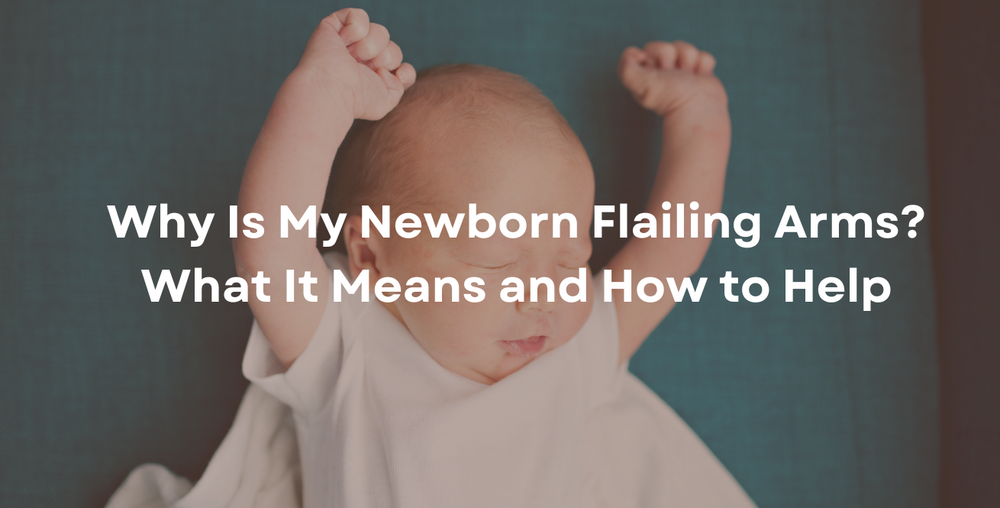
Newborns communicate in a unique and peculiar manner—wriggling, sudden movements, and even dramatic arm flailing. While it indeed appears theatrical, in the majority of cases, it is perfectly normal. Nevertheless, as a parent, witnessing your little one pummel their arms and cry can be perplexing or even concerning. A baby carrier can be a great tool for close bonding and hands-free carrying. What could be the reason behind the flailing of arms? Is it because of discomfort? Is there a possible concern? This piece of writing will guide you to understand this behavior so you can respond with reassurance and serenity. We will discuss everything from newborn reflexes to moments when it could mean something more serious, along with strategies and tools to help your baby feel relaxed and calm. What Does Arm Flailing Look Like in Newborns? Newborn arm flailing usually looks like sudden, jerky movements of the arms. You may notice your baby: Throwing their arms out suddenly Waving their arms in the air without control Flailing while crying, feeding, or falling asleep Spreading their arms wide when startled These movements often go hand in hand with the Moro reflex, also known as the startle reflex. It’s a normal, protective response that usually fades by 3 to 4 months of age. Why Newborns Flail Their Arms and Legs Infants are in the process of mastering the ability to move their limbs. Their muscles are underdeveloped, and coordination is still a long way off. For this reason, the “motor skill” of arm flapping is common among infants. That said, it can be perplexing or even concerning to observe as a parent. In this article, we will try to make sense of newborn flailing arms movements of their tiny arms. The Moro reflex This is one of the most common reasons for sudden arm movements. The Moro reflex is a response that babies are born with. When they hear a loud sound, feel a sudden movement, or experience a quick touch, they may throw out their arms and legs and then pull them back in. It’s completely normal and usually fades by the time your baby is around 3 to 4 months old. Hunger cues At times, the wild movement of arms by your baby is an indication of crying out, “Feed me!”. This might show up a few moments before feeding time or while they’re attempting to latch. Arm flailing while being fed, either at the breast or on the bottle, is most often a manifestation of nursing hunger and difficulty relaxing during feeding. Gas or discomfort Gas can make your baby feel tense and agitated. If your little one is gassy, you might notice moving, arching, and flailing all happening at once. These sudden movements are how babies deal with tummy troubles, especially if they haven’t yet burped after a feed. Too much stimulation A flashing light, background sounds, or a crowd can easily overwhelm a newborn. When your baby becomes overstimulated, their body may react by stiffening or waving their arms as a means of expending all that excess energy. This appears as fussiness, random jerky movements, or even a sudden cry. Trying to sleep Surprisingly, tiredness can lead to flailing too. During the self-soothing process, as little arms try to calm the child down, they may be struggling to doze off. An overtired baby will find flailing to be a part of the dramatic process that precedes their naps, and rest will be much harder to come by. How to Decode Newborn Flailing Arms? Your infant may not yet be able to use words to explain what’s troubling them, but their movements speak volumes. The newborn flailing arms described by the Healthy Children Organization site about these moments when they may seem nonsensical, but they often hold hints. Observing the details of your baby’s flailing arms will help you unravel the form of communication they are trying to use. Timing is everything Take note when the flailing starts. Does it happen during diaper changes, after feeding, or while getting ready to sleep? For example, flailing after feeding might mean gas or discomfort. During diaper changes, it could be due to the cold air or a dislike for being laid down. Watch their mood Are they smiling or baby talking while flailing? Or are they fussy, red-faced, and crying? Calm flailing usually isn’t something to worry about. But if the movement is paired with signs of stress like crying, stiffening, or arching the flailing may signal discomfort or sensory overload. Look for patterns Is your baby flailing in the same way each day, or is it something that happens randomly? Repeated, rhythmic movements may be linked to reflexes or developmental habits. Sudden, intense flailing might point to overstimulation or frustration. Either way, noticing these patterns helps you respond more effectively. When it's likely normal If your baby settles down easily after flailing with a cuddle, a feed, or a sound machine, it’s probably just one of those quirky newborn behaviors. As their nervous system matures, these movements will smooth out. When you might need to help However, if the flailing becomes common and also has trouble feeding, sleeping, or calming down, it may be time to step in gently. Try soothing techniques like swaying slowly, white noise, or a calm bedtime routine to ease their nervous system. And when in doubt, a quick check-in with your pediatrician can ease your mind. Baby Flailing Arms When Trying to Sleep It is common to see a newborn flailing arms while sleeping, especially during the first few months. That is especially true if your baby is overtired. An overtired baby may have a harder time falling asleep and staying asleep. This can lead to more frequent startle reflexes and sudden movements. On top of that, newborns spend a large portion of their sleep in a lighter stage called active sleep. During this stage, they may twitch, stretch, make noises, or move their arms and legs without waking up. Safe swaddling may help reduce sudden arm movements and make some babies feel more secure during sleep. But always stop swaddling as soon as your baby shows signs of rolling over. White noise or a baby sound machine may also help them get to deeper sleep faster. It can help prevent flailing arms while sleeping. Baby Flailing Arms While Feeding or Eating If your baby is flailing their arms when eating, breastfeeding or bottle-feeding, they may be trying to communicate a need or discomfort. Hunger Frustration - Some babies become impatient if milk is flowing too slowly or too quickly. This can lead to arm flailing, squirming, or fussiness during feeds. Need to Burp - If your baby keeps pulling off breast and relatching, trapped air may be making them uncomfortable. Pausing to burp your baby can often help. Try feeding your baby in a comfortable, supportive position by using a nursing pillow. A good one can make your baby feel cozy and put them in the optimal position for a good latch. Take breaks for burping when needed. If your baby seems congested, a nasal aspirator can also help clear their nose before feeding. Flapping, Waving, or One-Arm Movements: What They May Mean Parents sometimes notice specific arm movements that seem different from general arm flailing. In most cases, these movements are a normal part of development. Arm Flapping You may see your baby flapping arms quickly up and down or back and forth. In newborns, arm flapping is often linked to excitement, hunger, or overstimulation. During feeding, some babies flap their arms because they are eager to eat or excited. Waving Arms Waving arms is common when babies are awake and alert. It is often a sign that they are exploring how their body moves and practicing coordination. This type of movement is usually a normal part of development. One-Arm Movements Some babies may move one arm more than the other while feeding, playing, or resting. This is often normal and may simply reflect a preferred position or comfort level. However, talk to your pediatrician if your baby rarely uses one arm, seems unable to move it normally, or if one arm appears much stiffer or weaker than the other. These signs may need further evaluation. Flailing With Crying vs. No Crying: How to Read the Context No Crying - If your baby is flailing their arms or legs but seems calm, alert, or happy, they are often just stretching, exploring their movements, or practicing developing motor skills. With Crying - If a newborn flailing arms and crying, your baby may be trying to communicate a need. Common reasons include hunger, tiredness, a wet or dirty diaper, gas, or general discomfort. When Do Babies Stop Flailing Their Arms? Most babies begin to develop better control of their movements between 3 and 4 months of age. At 2 months old, their nervous system matures, sudden jerky movements usually become less frequent and are gradually replaced by more purposeful actions, such as reaching, grasping, and bringing their hands together. How to Help Calm Newborn Arm Flailing If your newborn flailing arms is interrupting sleep, feeding, or general calm, here’s what you can try: Swaddle your baby A soft swaddle wrap can help reduce the startle reflex and make some newborns feel more secure during sleep. But stop doing so as soon as your baby shows signs of rolling over to help decrease the risks of suffocation. As your baby grows and no longer needs a swaddle, a breathable baby sleep sack can help keep them warm and comfortable while giving them more freedom to move their arms and develop coordination safely. Burp your baby The need to burp can make your baby flail their arms. So, you should help them with that. Make your baby sit on your lap facing away from you. Then, place your palm flat against your baby’s chest. Ensure their chin and jaw are supported without putting any pressure on their throat. Use your free hand to make your baby lean slightly backwards. Then, gently rub or pat their back. Create a calming routine A warm bath, dim lights, and soft rocking can signal your baby it’s time to relax. This can reduce overstimulation and prepare their body for restful sleep. Play soft white noise The Momcozy Smart Baby Sound Machine plays gentle lullabies and white noise that mimic the womb environment. It helps soothe babies and reduce involuntary movements, especially during bedtime. Plus, it’s app-controlled, so you can adjust it without waking your baby. [product_shortcode_1] Momcozy Prime Big Deals Day is Coming This June 6 - 28! Get ready to score the biggest discounts of the season on our high-demand breast pumps, bottle washers, nursing bras, and other premium baby gear! Momcozy Official June 6 - June 28 Up to 60% OFF Unlock member check-ins, early coupons, and extended sales post-event. Shop Direct → Amazon Store Limited-Time Run 15% - 25% OFF Fast shipping on all best-selling essentials. Stock is highly limited. Shop Amazon → Safe Soothing Holding your baby and offering gentle rocking during awake periods may help them feel secure and calm. You can use a baby carrier if you’d like to keep your baby close to you while reducing the body strain it would cause. Hold in a side-lying position Some babies calm faster when held in a side-lying position against your chest. This position helps reduce the Moro reflex and gives them a sense of closeness and comfort. Offer a pacifier If your baby uses a pacifier, offering it may distract them and reduce flailing by soothing their need to suck. Momcozy Baby Nasal Aspirator is designed for gentle, effective mucus removal, making it easier for newborns to relax and reduce unnecessary flailing caused by blocked airways. Respond early to sleep cues If your baby gets overtired, arm flailing can increase. Catch early signs like yawning or fussiness to start calming them down before they become overstimulated. As your baby grows, you'll soon need to introduce them to new stages like feeding in a baby high chair. This can be a comfortable and safe way to transition from bottle or breast feeding to solids. [product_shortcode_2] When to Seek Professional Help? Talk to your pediatrician if you notice: Movements that are stiff, repetitive, rhythmic, or only occur on one side of the body. Feeding difficulties or concerns about your baby's growth and weight gain. Arm flailing accompanied by fever, unusual sleepiness, breathing problems, or intense distress that is difficult to soothe. If you are ever unsure whether your baby's movements are normal, contacting your pediatrician can provide reassurance and guidance. Staying alerted with anything unusual while tending to your baby can be made easier with the Momcozy 5-Inch Dual-mode Smart Baby Monitor. Stepping out and still wanting to keep track of your baby is simple with HD Video streaming, temperature tracking, and two-way audio. Our full collection of baby monitors offers a variety of tools to help you track your baby's patterns and ensure their well-being. For a full range of reliable tools to help you navigate these sleep disruptions and stay connected with your baby, check out our collection of baby monitors. Do note, however, that baby monitors are not medical devices. They can’t help you diagnose medical conditions or cure them. These are for monitoring purposes only. [product_shortcode_1] FAQs Why is my baby flailing arms and legs? Arm and leg flailing is usually a normal part of your baby's developing nervous system and motor skills, especially during the first few months. Why does my baby flap one arm while feeding? Babies may flap one arm while feeding because they're excited, trying to self-soothe, or still learning to coordinate their movements. Is arm flapping the same as arm flailing in babies? Not exactly. Arm flailing is typically random, uncontrolled movement in young infants, while repetitive arm flapping in older babies may have different causes depending on the context. What does it mean if my baby kicks legs and flails arms with no crying? If your baby seems happy and alert, these movements are usually a normal sign of excitement, stretching, or practicing motor skills. When do babies stop flailing their arms? Most babies flail their arms less by 3 to 4 months as their muscle control and coordination improve. Why is my newborn flailing their arms? Flailing arms are almost always normal newborn behaviour. The main cause is the startle (Moro) reflex, plus an immature nervous system that hasn't learned smooth, controlled movement yet. Hunger, gas, overstimulation, or settling for sleep can all set it off too. It usually reflects healthy development rather than distress. Is it normal for newborns to flail their arms a lot? Yes, very. In the early weeks babies have little control over their limbs, so frequent jerky arm movements are expected and look most dramatic when they're tired, excited, or startled. As long as the movements are roughly even on both sides and your baby is feeding and growing well, lots of flailing is normal. Why does my baby flail their arms while trying to sleep? Sleep is a common trigger because the Moro reflex fires as babies drift off, jerking the arms and sometimes waking them, and moving between sleep stages adds to it. Swaddling younger babies who aren't yet rolling can calm this by gently containing the reflex, helping them settle and stay asleep more easily. Why does my baby flail their arms while feeding? During feeds, arm waving is often excitement, a fast or slow milk flow, or hands simply getting in the way before babies learn to control them, and trapped gas can add to it. Holding your baby snugly, offering a finger to grasp, and burping partway through usually settle the flailing so they feed more calmly. How can I calm my newborn's arm flailing? Swaddling is the most effective option for young babies, gently containing the startle reflex and giving a secure, womb-like feeling. Skin-to-skin contact, a calm and dimly lit room, and gentle holding also help. Address obvious triggers too — feed if hungry, burp for gas, and reduce noise or light if overstimulated. Why is my baby flailing their arms and crying together? Flailing with crying usually signals an unmet need rather than a problem: hunger, trapped gas, overtiredness, or overstimulation. Run through the basics — feed, burp, check the diaper, calm the environment — then swaddle and soothe. If your baby flails and cries inconsolably, seems unwell, or it feels different from usual, check with your doctor. When should I be concerned about my baby's arm movements? Flailing itself is rarely a worry. The arm-specific signs to mention to your pediatrician are asymmetry — one arm consistently moving, reaching, or gripping far less than the other — or an arm that seems weak, floppy, or held oddly. Even, two-sided flailing that settles as your baby calms is normal and doesn't need a check. Does arm flailing change as my baby grows? Yes. Flailing peaks in the first couple of months while the nervous system is immature, then smooths out as the Moro reflex fades around 3–4 months and your baby gains control to reach, grasp, and bring hands to the mouth. Movements should become more purposeful with age, not more rigid or distressed. Conclusion For your newborn, life outside the womb can be overwhelming and new, which may explain the reasons for their flailing arms. Responding with gentle measures like swaying gently, sound machines, and specific holding methods can truly assist in calming your little one throughout the initial stages. If something feels off or your newborn flailing arms doesn’t go with time, don’t hesitate to consult your pediatrician. Every baby is unique, and you’re doing your best to care, comfort, and understand them. You’ve got this!
10 Things To Remember When Taking Your Baby Shopping
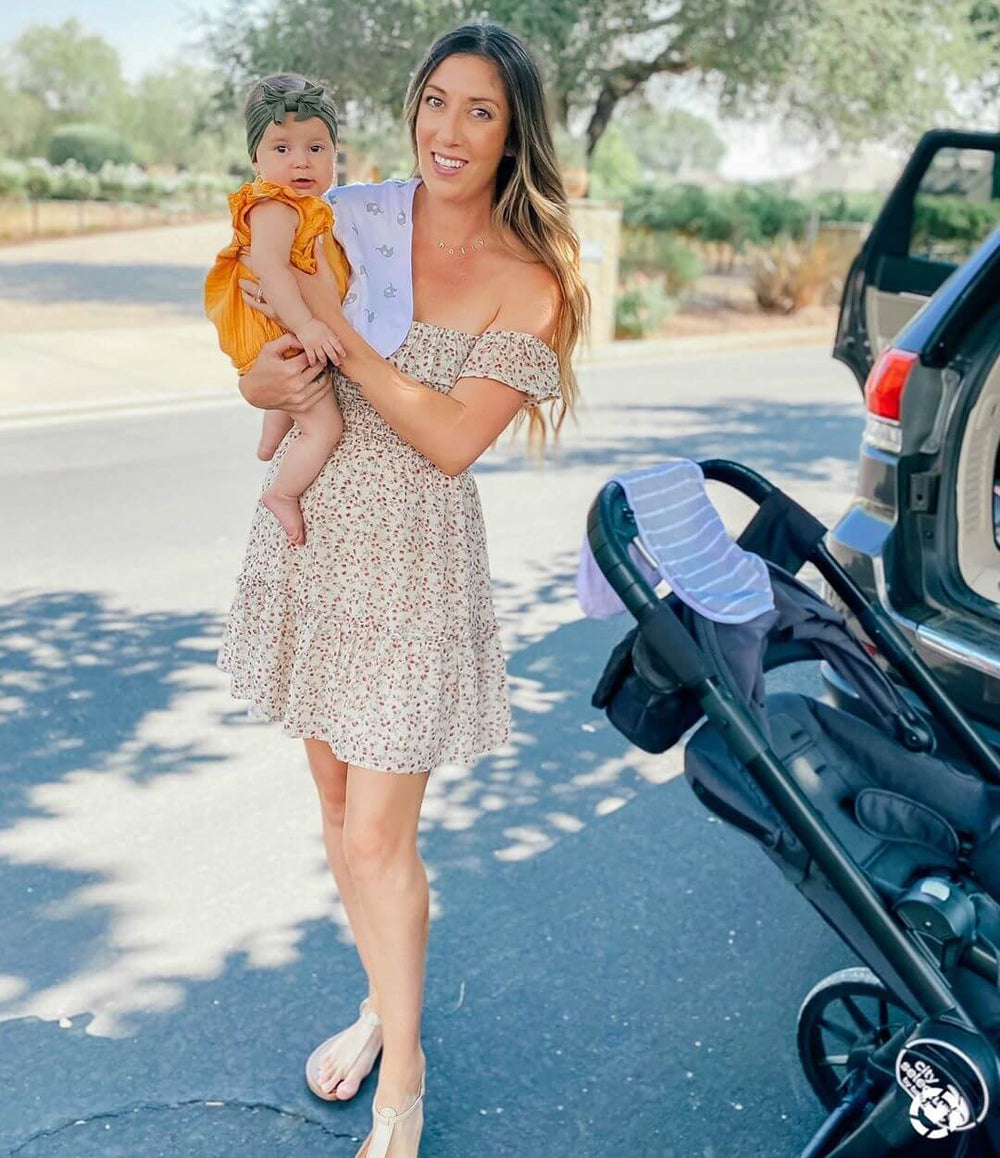
Being a parent is a full-time job. There is so much that needs to be done that one can easily become forgetful. This is why you must create a checklist when taking your baby out.A baby carrier is honestly the best shopping companion — your hands stay free for the cart, and baby stays happier than in a bulky infant seat. This will ensure you have all the items you need to take care of your baby anywhere. Here is our list of ten things you need to remember when taking your baby with you for shopping. #1. Diapers This is a no-brainer. A diaper is a must whenever you are traveling with your baby outside, be it shopping or anywhere else. If you are wondering how many you should be carrying then a good rule of thumb is to carry one for every hour you will be out. This will provide you with enough diapers for the time you are out. However, you can carry a few extra more as well just to be on the safe side. This way you will have enough if you decide to stay out for longer than you intended to. #2. Changing Pad Of course, when you are carrying diapers you will also need something where your baby can lie down and you can easily change the diaper. If you have a diaper bag that has a changing pad then you don’t need to worry about anything. However, if your diaper bag doesn't have one in it then you need to get a portable changing mat to easily carry anywhere. This way you will be able to change your baby's diaper anywhere, no matter the place. #3. Baby Burp Cloths And Wipes Baby burp cloths are an essential item to clean up your baby whenever need be. They can be used to wipe sneezes, milk dribbles, and anything else that your baby spits up. This is why you must invest in the best burp cloths that are extremely soft and absorbent. Such a cloth will not be harsh on the baby’s skin and soak up anything your baby spits out. Apart from that, wipes are also important in cleaning a baby after they have pooped in their diaper. Carrying both these items will keep your baby clean anywhere. #4. Bottled Milk Whether you feed your baby formula or breast milk doesn’t matter. You have to ensure the milk is stored in a spare bottle when you go out. This is because you can’t possibly feed your baby the whole time. You will be busy doing your stuff or there may not be a proper place where you can sit down and feed your baby in peace. This is why you must carry a spare bottle of milk to feed your baby whenever they are hungry. #5. Disposable Bag You will need such a bag to throw away all the diapers and wipes while you are outside your baby. You can’t simply throw this dirty stuff anywhere or keep them in your bag as they will ruin the clean stuff. You can carry any sort of disposable bag to keep the dirty items. Many people make use of ziplock bags to store such things while they are carrying their babies outside. Just make sure that you don’t mix the dirty stuff with clean stuff and you will be good. #6. Toys While you are shopping and having fun, your baby may get easily bored. This can cause them to be fussy and hinder your shopping experience. To make sure this doesn’t happen you need to keep your baby engaged so they are also busy doing something. The best way to do this is by carrying their favorite toys with you when you go out. This way if they get bored or fussy you can easily provide them with that so they can play and you can shop in peace. And to make your shopping trip even more enjoyable, a travel stroller can make transporting your baby around the store smooth and comfortable. #7. Extra Clothes So, you may be wondering that if you have diapers, wipes, and baby burp cloths you will not need extra clothes because you have everything you need to keep your baby clean. However, it never hurts to have a backup plan. While you are busy shopping your baby can easily soil themselves or vomit on their clothes and then you will have no way to fix this problem. This is why you must carry clothes. You can clean the baby with the wipes and then change their clothes so they are comfortable again. You can then also store the soiled clothes in the disposable bag. After all, being a parent is all about being prepared for anything and everything. #8. Pacifier Sometimes babies can be too full to eat or are not hungry at all but they can still be fussy. This is because they find sucking comforting and tend to get irritated if they don’t get it. This is why you must carry a pacifier. If your baby is crying or fussy and they don’t need food then a pacifier will do the trick of keeping them calm and quiet! #9. Blankets Even if it is not cold outside, you still need to carry a blanket as it can serve other purposes. For example, if it is too sunny then you can use the blanket to protect your baby from the harsh sun. Just make sure you carry a blanket according to the season. If it is cold out then carry a warm blanket and if it is hot out then carry light and soothing blanket. #10. Snacks While taking care of the baby, you may get hungry and need something to give you the energy you need. This is why with the baby’s things always keep snacks for yourself so you can always recharge yourself if you ever feel exhausted or tired! Final Words This is our top ten checklists for everything you will need when you are out with your baby, be it shopping or anywhere else. Just don't forget to pack baby burp cloths as they serve many purposes and can be a life-saver when it comes to keeping you and your baby clean. With this list, you and your baby will be good anywhere and everywhere!

2-Week-Old Baby Milestones: What to Expect at This Stage
Caring for a 2-week-old baby can feel overwhelming, but understanding their needs helps. From sleep patterns to feeding cues, this guide offers practical tips to support your newborn’s early growth, comfort, and development with confidence.
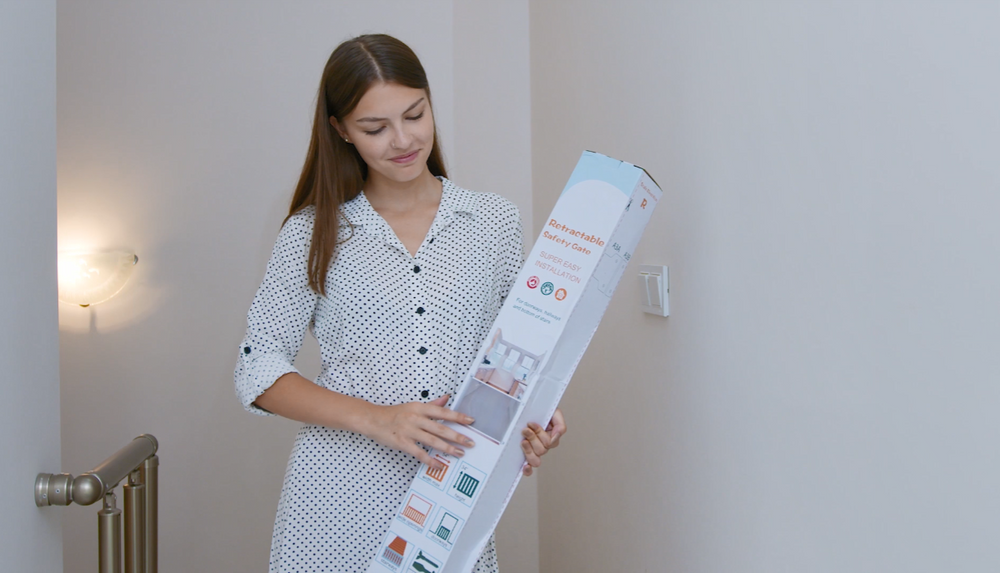
5 Essential Safety Items For New Parents
Are you new to parenting? You must then be concerned about all the things you need to do to keep your infant safe. As you welcome your child into your home, you want to ensure that everything is taken care of when it comes to their safety. Luckily for you, there is a range of safety items available for you to make use of to keep your baby safe. Let's take a look at what these are.A well-tested baby carrier earns its place on your essential safety list by keeping fragile newborns in a supported, ergonomic position at all times. Why Are Safety Items Essential? Before we can move on to what safety items you must have, you should know the importance of keeping them in your home. As new parents, you want to make sure that you have taken care of every possible thing before your child arrives into this world. Therefore, making sure that you have the right safety items present in your home is also essential to this. Safety items ensure that your child doesn't suffer from any injuries and remains safe, away from harm. That is one of the most important goals of every parent- to keep their child safe. This is where safety items come into play. They help make sure that your child stays safe to a great extent and allow you to worry less about having your child in the home without proper supervision. Safety items give you a sense of relief and allow you to take care of your child better than just stressing about how you need to keep your child safe at all times. They are convenient and allow you to keep your baby safe around your home without worrying excessively. 5 Safety Items For New Parents Now, let's take a look at five of the most critical safety items you need to keep in your home. As new parents, you want to make sure that you invest in each of these items so that you can keep your child safe and away from as much harm as possible. 1. Baby Monitor The first one we have is the 1080P High - Performance Video Baby Monitor BM01. Most of the time, babies sleep in their own rooms, in their cribs. However, you're not always going to be sitting next to their crib at all times. If you do, then how will you get all the other work done? While your baby is your most significant responsibility, you still have other things to look at. So, you will have to move around the house and be away from your baby from time to time. One thing that can help you keep your baby safe and know what's going on in their room is through a baby monitor. Baby monitors are great if you wish to know what's going on with your baby while you're parted from them. So, it is best to get one as soon as possible as you prepare your home for your infant's welcome. Doing so will allow you to see and hear whether everything is alright with your baby without having to be next to them at all times physically. 2. Baby Safety Gates Next, we have baby safety gates. These are highly essential since you want to make sure that your baby doesn't injure themselves once they reach crawling or walking ages. Since children are curious, they always try to do risky things. One of the main things that they really like doing is running up and down the stairs. To avoid any possible injury, you want to make sure that you install a baby safety gate for stairs. This will give you some peace of mind since you will know that your child will not be able to run down the stairs and hurt themselves since there is a good system in place. Safety gates are crucial once your baby reaches the crawling age, so it's best to make sure that you have these installed beforehand. 3. Locking System We have already established that babies are extremely curious. So, you will find them always getting into places that they shouldn't be in. The best thing for you to do is to make sure that the locks in place are highly effective. By getting a sound locking system installed, you will be able to make sure that your baby stays out of the places that they shouldn't wander off to. One of the main things you will need to lock in your home is your home office, if you have one, and the kitchen. You don't want your child in areas that could potentially harm them. A properly planned out locking system will ensure this for you. 4. Edges And Corner Guards You will also need to be extremely careful about all the edges and corners present in your home. It is impossible to get rid of everything around your home for your baby. But the great thing is that you don't need to. All you really need are some guards to keep them from harming your baby. You will need to do all the preparations for this before your baby comes home, though. Speaking of preparing for your baby's needs, a lightweight stroller can also be a great addition to your home, especially for outings or daily walks, ensuring your baby’s safety while out and about. A baby swing provides soothing motion that helps calm your little one, making it a must-have for both naps and playtime. With adjustable settings and a comfortable design, it ensures safety and relaxation for your baby while giving parents some much-needed hands-free moments. Once you bring your baby home, it won't be easy to manage all of these things. So, it is best to make sure that you add edge and corner guards to all the places where it is necessary. 5. Outlet Plugs Lastly, one of the things that babies love getting into is plugs and sockets. You don't want to put them at any risk because it can result in very serious damages. One of the best things you can do for your baby is to get outlet plugs. This will allow you to cover all the sockets and keep those small fingers out of them. Getting this is highly essential as it will surely keep your baby safe from any kind of electrical injuries. Make a list of all the safety items that you need to bring to your home so that you can keep your baby safe. Incorporate these items into your list to have all the essential safety things you need as a new parent.
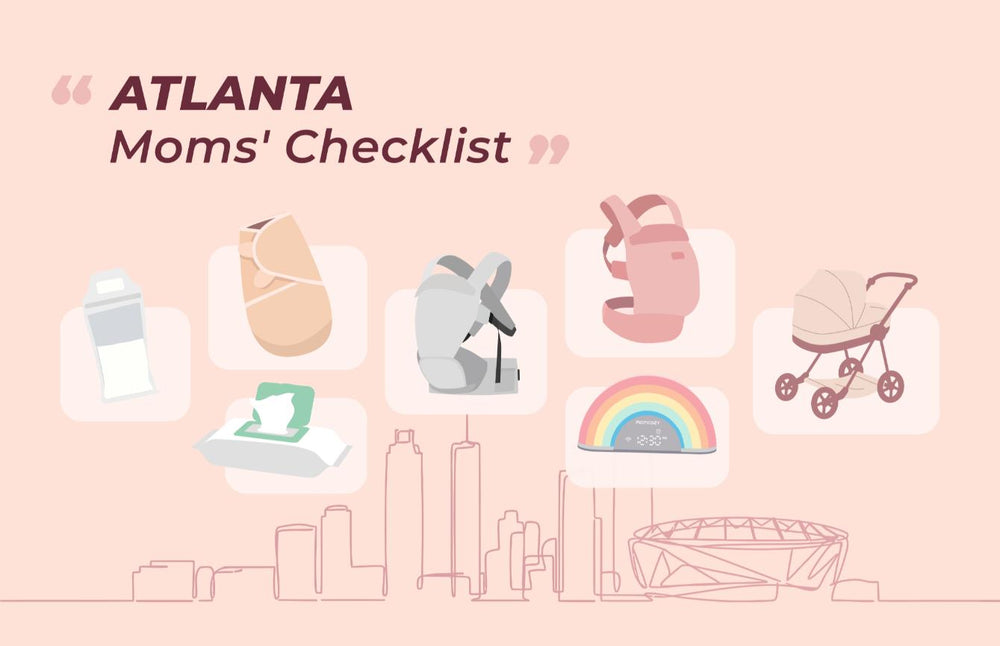
Atlanta Moms’ Baby Checklist: Nurturing Newborn Care with Family Support
Atlanta newborn care tips: communal feeding, predictable sleep, short walks, and accepting help for calmer, more supported parenting.

5 Baby Products You’re Going to Want on Your Registry
Tired of the endless baby registry lists? Discover five ingenious baby products that new parents often overlook but will absolutely adore. These lifesavers and game-changers will make your parenting journey smoother. Don't miss out on these must-have additions to your registry!
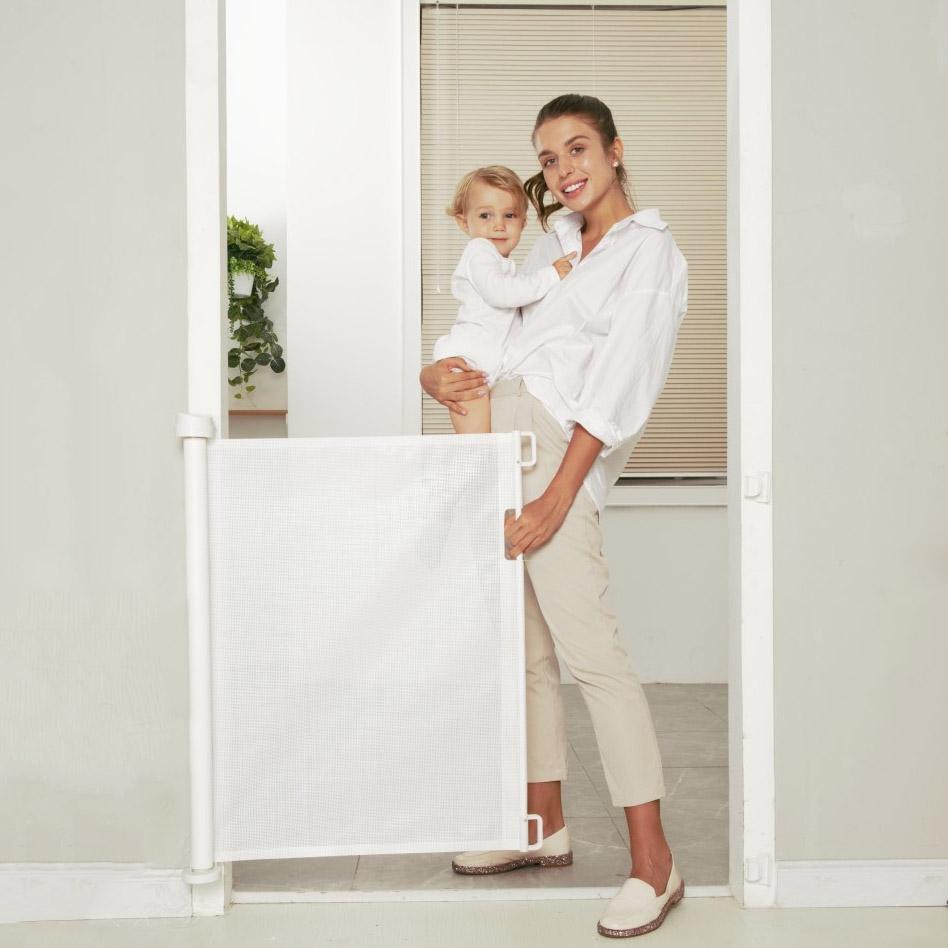
Baby-Proofing Your Home with a Baby Gate
Babies are curious creatures, and when they aren’t sleeping or eating, they're probably wandering off wherever they want. This is especially true when your baby has just started crawling, and they’re eager to get the most out of this new-found skill. You obviously can’t spend all your time chasing after your baby, but if you haven’t baby-proofed your home yet, that’s your only option. However, baby proofing your home isn’t as difficult as it may seem. As we’ll discuss below, just following a few steps such as getting child-proof gates, can help you ensure your child’s safety, as well as your mental peace.While you baby-proof room by room, wearing your explorer in a baby carrier buys you the time to do it right without losing sight of them for a second. Why is it important to baby proof our homes? Babies tend to want to investigate anything they can get their hands on. They also tend to explore everything via their hands or by putting things into their mouths. Both scenarios can be incredibly dangerous. Babies can often stick their fingers into electrical sockets, or into small spaces where their hands can either get stuck or get seriously hurt. Additionally, babies can also put dangerous things into their mouths, such as things they can either choke on or items that can make them sick. Babies can also wander around the house and end up in dangerous places such as staircases. It can be impossible to keep your eyes on the baby around the clock, especially if you have a job or other children and duties to manage. Here’s where baby-proofing comes in. This helps you ensure your child’s safety by restricting their access and enables you to focus on other tasks. How can we baby proof our home? By now, you’ll be eager to find out just how you can baby proof you home. One simple device can help solve all your issues, and that is the baby gate. A retractable baby gate is the first, and the most significant step in making sure your baby is safe in your house. A retractable baby gate, such as this one from Momcozy is the best thing to make sure your baby is safe at all times. Here are a few reasons why the baby gate is a must-have for every parent. Babies can fall down the stairs. In any home, staircases are the most dangerous places for babies to be at alone and unsupervised. Every year, many children get hurt because of falling down the stairs. In fact, stairs can be dangerous for toddlers and slightly older children as well. To ensure that your children are always safe, install a hardware-mounted retractable baby gate at the top and bottom of any staircases. The Momcozy retractable baby gate is perfect for this purpose, as its hardware mounted and won't budge no matter how hard your child tries to push it. Kids and pets need their space. Most families have both pets and children, and while both are dear to us, we don’t want our pets to hurt our kids somehow, or vice versa. When introducing young children to pets, it’s always best to do it slowly. A retractable baby gate with a mesh panel can help you do that, as the children and the pet can see each other from a distance. Both can get familiarized with each other through the retractable baby gate. Additionally, if you want to keep your pets and baby separate for a longer time, the gate can help you do that too. Limit your child’s access Children of all ages love playing outdoors, and for younger children, there can be no place better than the porch. However, younger children shouldn’t be crawling around in the yard unsupervised. If this is a concern for you, get child-proof gates. A hardware-mounted gate can be installed anywhere and can adjust to any length. Install your retractable baby gate in your porch or patio to let your child enjoy the outdoors without having to worry about them going into the yard or road. Children can climb over things. If you have used things to try to block your child’s access, you’ll know that won't ever work. Children can easily climb over things and get back to what they want. A retractable baby gate can stop your child in his tracks. The mesh panel of this gate is impossible for your baby to climb. Furthermore, the baby gate is tall enough that it can prevent even toddlers from crossing over. Some children sleepwalk. This isn’t as rare as it may seem. Most families have one member that occasionally sleepwalks, if not routinely. If that turns out to be your baby or your toddler, you can have a problem on your hands. However, if you have a baby gate installed, you can easily keep your baby from getting into any danger as they sleepwalk. Having a baby gate in such situations can help you sleep easily, as you can close the retractable baby gate and know that your baby won’t sleepwalk anywhere, he shouldn’t be. What to look for in a baby gate? As mentioned earlier, make sure that you opt for a hardware-mounted gate which can withstand a great deal of pressure. Furthermore, make sure that you get a tall enough gate that your child can’t climb over, and one that has no small holes or openings to trap your child. A retractable baby gate is the safest option, as it is also incredibly easy for you to operate, and it doesn’t look clunky. When installing the baby gate, make sure you read all the instructions, and have it secured and in place. The Momcozy baby gate is perfect for children of all ages and comes in a lovely mesh design that looks seamless. Speaking of keeping your baby safe while on the go, a travel stroller is another essential for smooth and safe outdoor adventures. The bottom line Baby proofing your home is essential for your child’s safety as well as your mental peace. Just making this one simple investment can help you rest easy, knowing that your child won’t be crawling off anywhere he or she shouldn’t be. The Momcozy baby gate offers a seamless design that will help you ensure your child’s safety at all times.
EXPERT Spotlight


Popular Pregnancy & Postpartum Tools

Baby Name Generator
A name is the first gift to your beloved baby. Find the perfect name for your baby

Pregnancy Weight Gain Calculator
Track your pregnancy weight gain and get personalized recommendations based on your pre-pregnancy BMI.

Chinese Gender Prediction Calculator
Legend has it that this ancient Chinese gender prediction chart was discovered in a royal tomb near Beijing over 700 years ago.

Due Date Calculator
Using our Pregnancy Due Date Calculator, you can estimate your due date based on your last menstrual period, conception date, IVF transfer, or ultrasound.